

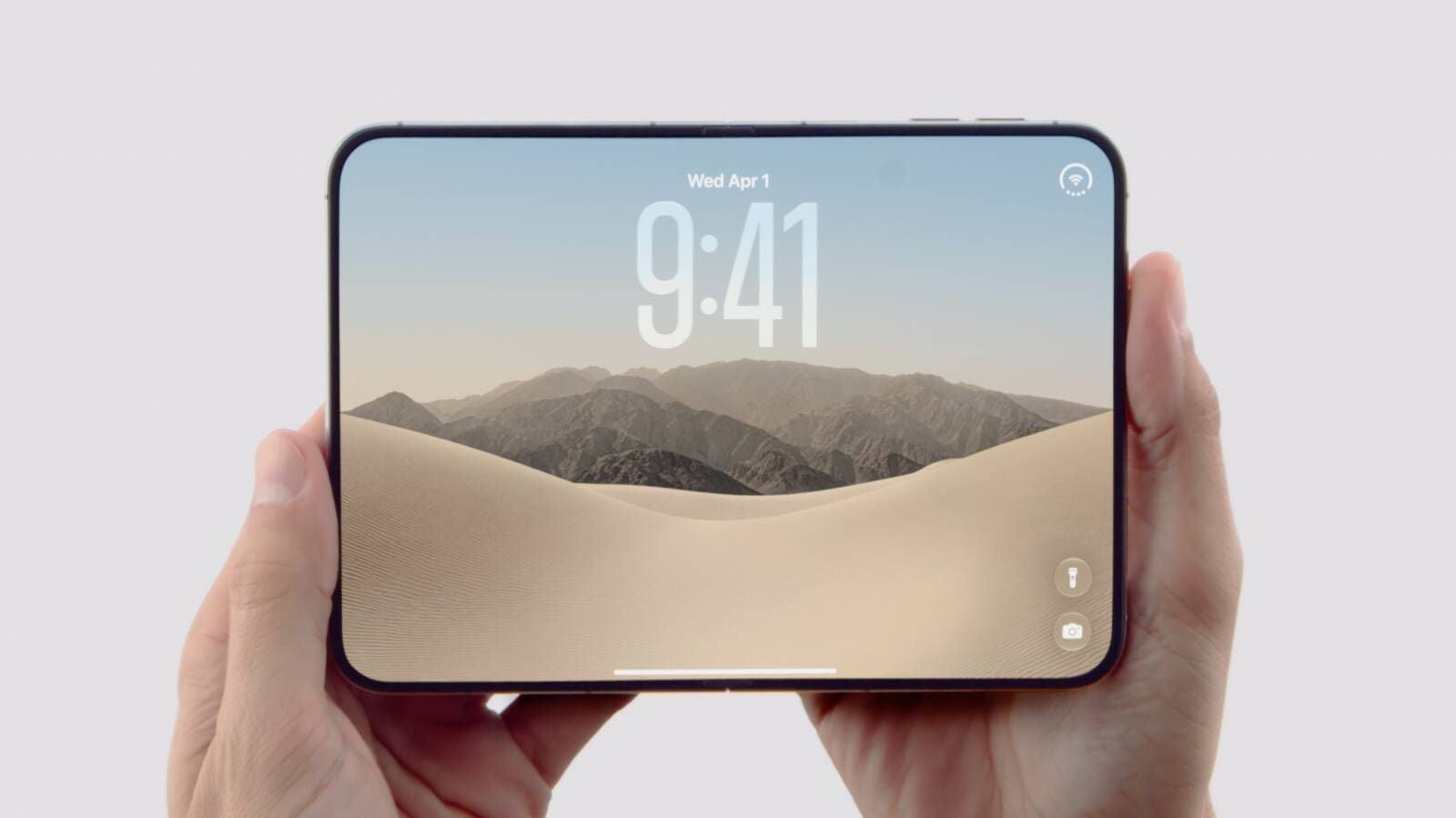
There’s a product Apple has been actively researching since at least 2016. Patents filed. Engineers assigned. Prototypes built behind closed doors in Cupertino. And for seven years, while every competitor on earth shipped their version, Apple said nothing, showed nothing, and sold nothing.
Samsung launched the Galaxy Fold in 2019. Huawei followed with the Mate X the same year. Xiaomi entered in 2021 with the Mix Fold. Google entered in 2023 with the Pixel Fold. Even Royole, a Chinese startup nobody outside Shenzhen had heard of, beat Apple to market by releasing the FlexPai in 2018. It was the world’s first commercial foldable smartphone. The company declared bankruptcy in 2024.
And Apple? Apple watched. Then, in 2026, Apple reportedly completed its own foldable. Not because it figured out foldable technology. Because it figured out everything else.
Why the industry needed foldables in the first place
The context matters here, because Apple’s decision to wait only makes sense against the backdrop of a market that was panicking.
Global smartphone shipments have been declining since 2017. The explosive growth of the 2010s is over. Data from Counterpoint Research reveals that the average phone ownership duration has reached 2.5 years and continues to grow. Why upgrade every year when your three-year-old phone still does everything you need? Unless you film the moon in 4K or play console-quality games for sixteen hours straight (which almost nobody does), a smartphone from 2023 handles email, messaging, browsing, and video streaming just fine.
For manufacturers, this is a slow-motion disaster. Fewer upgrades mean fewer sales. Fewer sales mean flatter revenue. The entire business model is built on replacement cycles, and those cycles are stretching. IDC projects 2026 could be one of the weakest years in smartphone history, with overall global growth of 1%.
Foldable smartphones were supposed to be the answer. This new form factor is such a significant advancement that it will make your current phone seem ancient, similar to how the first iPhone overshadowed BlackBerry. This gadget serves as a phone when necessary and a compact tablet for enhanced screen viewing. The market for these devices was valued at roughly $28 billion in 2025, and analysts project it could reach $125 billion by 2033.
Every major manufacturer saw this opportunity and moved.
Except one.
Samsung took the risk. And the Scars.
Samsung deserves credit for going first at serious scale. The original Galaxy Fold shipped in 2019 to approximately 400,000 to 500,000 sales in its first year. That sounds like a win until you remember the storm that came with it.
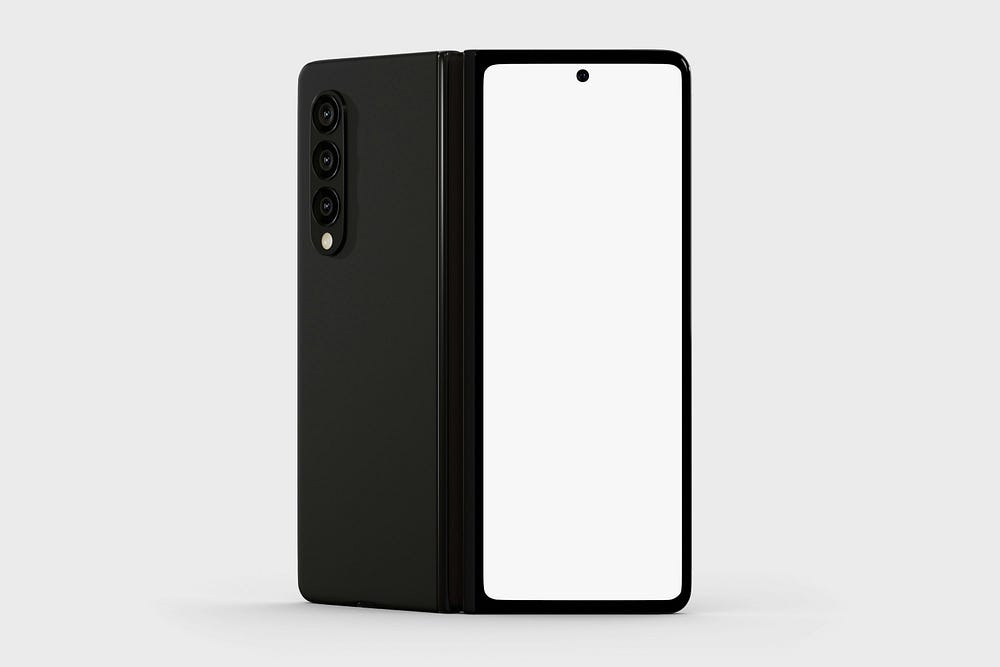
The screens broke. Within days of the media receiving review units, journalists reported displays failing along the crease, peeling protective layers that looked removable but weren’t, and pixels dying in clusters near the fold. Samsung pulled the launch, delayed it by months, redesigned the hinge, and shipped a revised version. It sold. But the damage to the category’s reputation was real and lasting.
Since then, Samsung has iterated aggressively: thirteen models of two form factors (book-style Fold and clamshell Flip), progressively better hinges, thinner creases, and more durable displays. By 2025, foldables were Samsung’s most profitable smartphone segment. But the seven years of iteration cost Samsung billions in R&D, manufacturing losses, and brand rehabilitation.
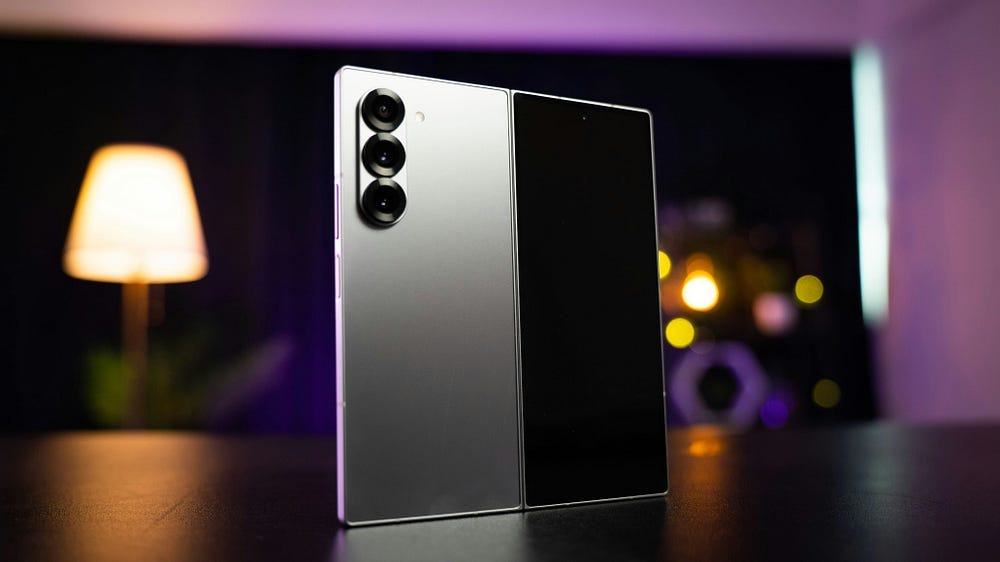
Apple watched all of it. Every hinge failure, every crease complaint, every battery compromise, every software workaround for apps that didn’t know how to handle a screen changing shape mid-session. And Apple took notes.
The Three Reasons Apple Waited
After digging through patent filings, supply chain reporting, and Tim Cook’s own public statements, three reasons emerge for Apple’s delay. None of them is “Apple couldn’t do it.” All of them are “Apple chose not to.”
The first reason is market validation. Before Samsung proved consumers would actually pay $2,000 for a folding phone and keep coming back for the next version, nobody knew if a sustainable market existed. The cautionary tale is Royole. It shipped the world’s first foldable phone in 2018. The company went bankrupt. It’s worth remembering that the IBM Simon, widely considered the first smartphone, shipped in 1994. It was a commercial failure. The market wasn’t ready. Apple waited until 2007 and built the iPhone around a market that had matured enough to want one. The foldable playbook is the same.
The second reason is display quality. Every foldable ever shipped has had the same fundamental weakness: the crease. Every time the screen opens and closes, part of the display stretches while another compresses. Over thousands of cycles, the material fatigues and a visible fold line appears. For Apple, which sells a premium experience at a premium price, shipping a product with a known visual defect would never happen. Apple’s patent portfolio shows they’ve been working on solutions for years, including chemically etched ultra-thin glass that’s more flexible along the fold axis, liquid polymer injection that fills micro-creases to make them invisible, and a “movable flaps” hinge design that manages mechanical stress more evenly across the display surface.
The third reason is manufacturing dependency. Apple doesn’t manufacture its own products. Samsung Display makes the screens. TSMC fabricates the chips. Foxconn assembles the devices. Apple could only launch a foldable the moment its suppliers could produce every component at Apple’s quality standard and at Apple’s scale. The hinge alone is the most critical component in any foldable: it holds the flexible display while it curves, defines the bend radius, determines how visible the crease will be, and decides whether the phone closes completely flat. Getting that right at millions of units per quarter requires manufacturing expertise that takes years to develop.
Tim Cook himself summarized Apple’s approach in a statement that could apply to every product the company has ever delayed: “We have rarely been first. There was a PC before the Mac, smartphones before the iPhone, tablets before the iPad, MP3 players before the iPod.”
Why 2026 Is the Year It Happens
Seven years of competitor trial-and-error have made the foldable category viable. The screens are more durable; the hinges are more refined. The supply chain can produce foldable OLED panels at meaningful volumes. And perhaps most importantly, consumers have proven they’ll pay $2,000 for a device that genuinely expands what a phone can do.
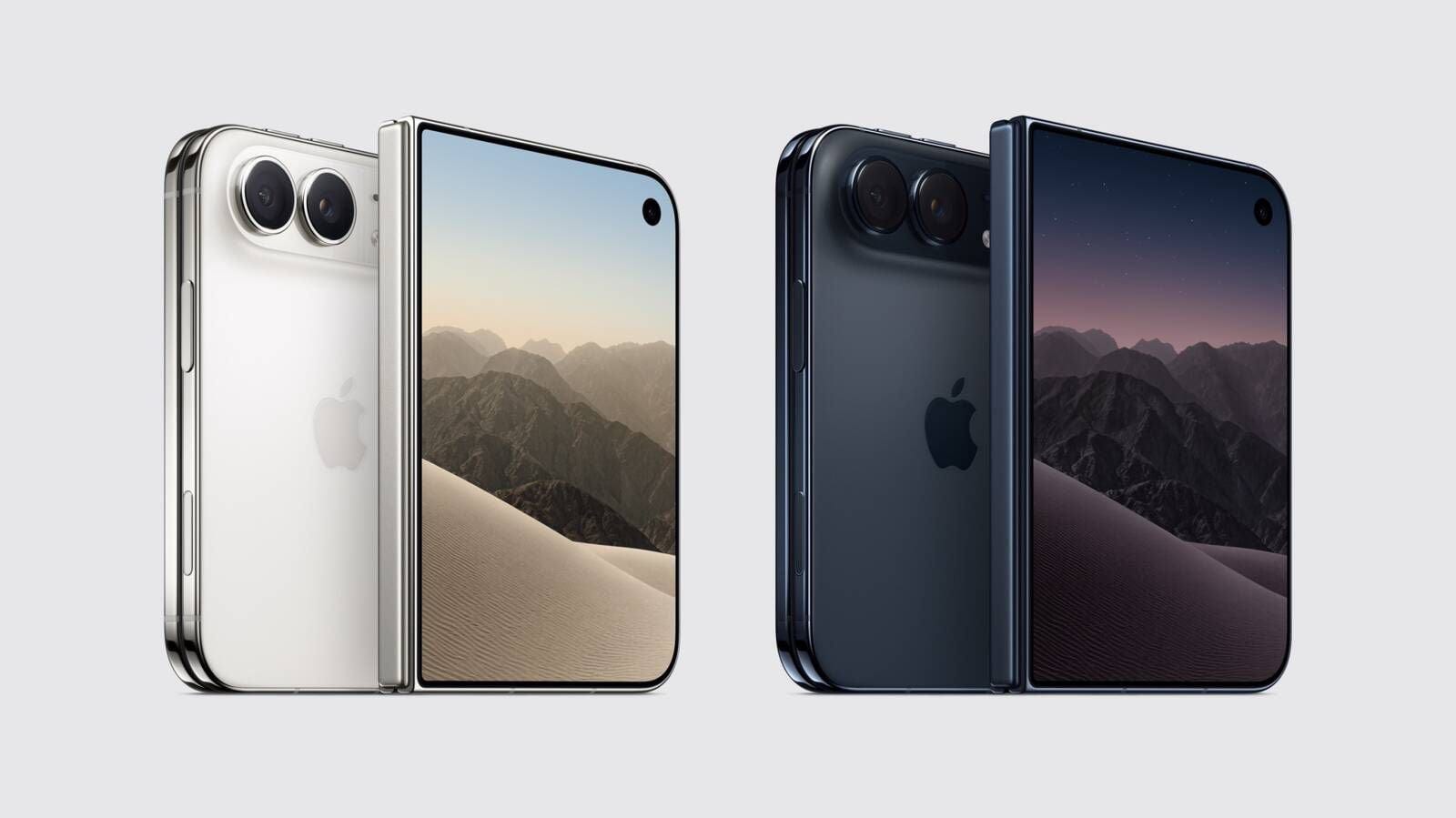
IDC’s December 2025 forecast explicitly attributes an upward revision in foldable market growth from 6% to 30% in 2026 to two products: Samsung’s Galaxy Z Trifold and Apple’s first foldable iPhone. IDC projects that Apple alone will capture over 22% of foldable unit shipments and a remarkable 34% of total foldable market revenue in its first year, driven by an average selling price near $2,400.
That revenue-share figure is striking. Apple is expected to take a third of foldable revenue from a standing start, in a market Samsung has been cultivating for seven years. It’s the Apple Watch playbook all over again. Samsung and Pebble launched smartwatches first. Apple entered later with a more refined product, priced it higher, and within two years became the world’s largest watchmaker, outselling the entire Swiss watch industry.
The iPhone Fold (or iPhone Ultra, whichever name Apple chooses) is Apple’s bet that the same pattern repeats. Let the pioneers clear the minefield. Arrive when the path is safe. And then build the version that makes everyone forget who was first.
The Risk Nobody Is Dismissing
This isn’t a guaranteed win. Apple’s track record with “wait and dominate” strategies is strong, but not perfect. The Vision Pro launched as a premium-first product and sold modestly. The HomePod entered a market Amazon and Google had already won and never recovered meaningful market share.
A foldable iPhone at $2,000 or more, with initial production of perhaps 7 to 8 million units, could end up as another showcase product that demonstrates capability without driving mass adoption. The foldable category is growing, but it still represents a small fraction of total smartphone sales. If the crease isn’t truly invisible, if the software experience on two screen sizes feels awkward, or if the hinge develops durability issues after a year of real-world use, the premium brand suffers more than any competitor’s would.
Apple is betting its engineering culture can deliver what seven years of competitor iteration couldn’t quite perfect: a foldable phone that doesn’t feel like a compromise.
September will tell us if the wait was worth it.
Thanks for reading. Let me know your thoughts in the comments. Don’t forget to follow us and subscribe for more analysis. If you like space and physics innovations, follow The Nov Science for news related to science.