


Within 48 hours, Mac Minis began to disappear from store shelves.
Not because of a revolutionary new chip. Not because of a sale. But it was an open-source project created by an Austrian developer from his living room.
His name is Peter Steinberger. His project is ClawdBot. And it’s created a massive buzz across the internet these past few days. Prepare to reconsider the full potential of AI assistants, thanks to this software.
We’re not talking about an AI that answers your questions. We’re talking about an agent that controls your computer, sends emails on your behalf, books your restaurants, manages your calendar, and remembers everything. Absolutely everything.
No need to open a browser or dedicated app. It functions when you message it on WhatsApp or Telegram, treating it like a colleague.
In the next few minutes, you’ll understand why Silicon Valley flipped this weekend. Why some developers are declaring they’ve “hired their first 100% full-time employee.” And most importantly, how you can do the same thing.
The Developer Who Accidentally Started a Movement
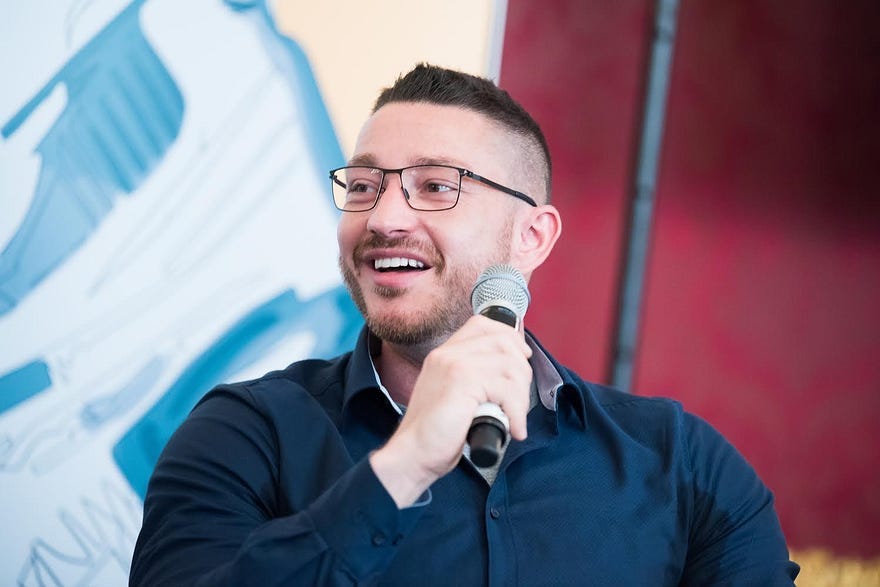
Peter Steinberger isn’t unknown in the development world. He’s the founder of PSPDFKit, a company that’s generated millions. He was in semi-retirement when he had a simple idea: create a personal AI assistant that runs permanently on his own machine with complete system access.
The result is ClawdBot, which went from 5,000 stars on GitHub to over 20,000 in just a few days. More than 8,900 members have already joined the project’s Discord, and the tech community has literally lost its mind making videos about it in every direction.
GitHub - openclaw/openclaw: Your own personal AI assistant. Any OS. Any Platform. The lobster way…
Your own personal AI assistant. Any OS. Any Platform. The lobster way. 🦞 - GitHub - openclaw/openclaw: Your own…github.com
What makes ClawdBot different from ChatGPT, Claude, and other AIs you’re already using is that it doesn’t live in a browser tab. It lives in your messaging apps.
Like any advanced agent, you can connect it to WhatsApp, Telegram, Discord, Slack, Signal, and even iMessage. You communicate with it as you would any other contact, and it replies, but its key function is its action.
One user asked their ClawdBot to book a restaurant table. After the online booking failed, the AI employed text-to-speech to contact the restaurant and secure the reservation on its own.
Another entrusted ClawdBot with complete management of their parents’ tea business: team scheduling, B2B customer tracking, inventory management, and customer service. Everything.
And that’s not even the most impressive part.
ClawdBot’s architecture rests on three pillars that nobody really expected from an open-source project.
The first is unlimited, persistent memory. Unlike classic chatbots that forget everything between sessions, ClawdBot stores the entirety of your exchanges locally on your machine. If you told it three weeks ago that you only drink oat milk lattes, it’ll remember when you ask it to order coffee.
