

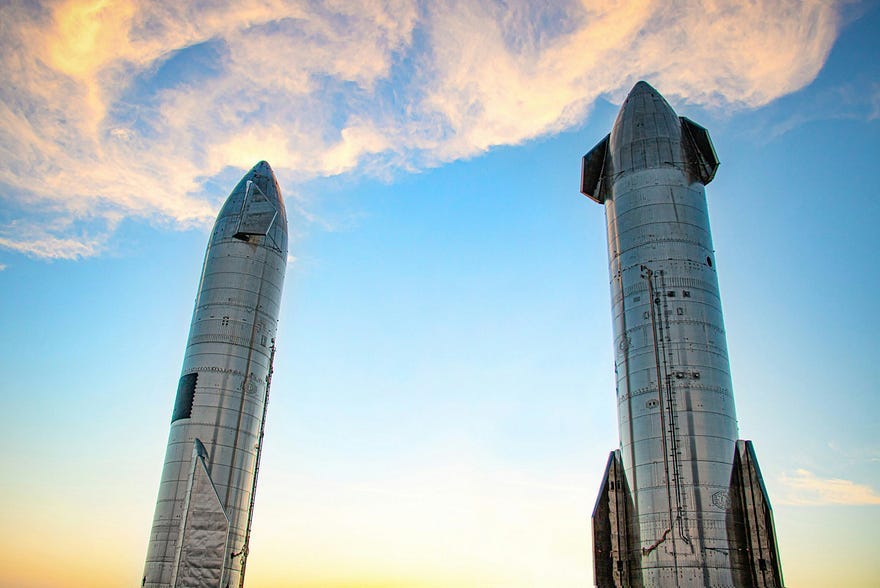
$1.25 trillion. That’s not a typo. That’s the valuation of the most colossal private company ever created on this planet. On Sunday, February 2nd, 2026, SpaceX officially swallowed xAI, Elon Musk’s AI startup, in an operation that makes every previous tech merger look like child’s play.
But here’s what gets me. What’s hiding behind this announcement goes way beyond a simple financial maneuver. Musk’s official press release does not indicate a desire to control the AI market or the space industry. It goes much, much further than that. His exact words? To create “a conscious sun.”
Sounds like science fiction, right? Three days before this merger, SpaceX filed a request with the FCC to launch one million satellites into orbit.
One million. Let that sink in for a second.
The Audacity of Orbital AI
I honestly feel like we’re living in an era that increasingly resembles the science fiction books we read when we were younger. One million satellites is 100 times more than the total number currently orbiting Earth. And these satellites wouldn’t be for beaming internet down to your laptop. They’d run artificial intelligence directly in space, powered by the sun 24/7.

The FCC filing specifies that these satellites would operate between 500 and 200 km altitude, distributed in orbital layers 50 km thick each. Satellites in sun-synchronous orbit would be constantly exposed to sunlight, handling processes requiring constant power. Those in lower orbits would manage demand spikes.
The logic is pretty implacable when you think about it. In space, the sun shines permanently. No gigantic power plants needed, no angry citizens complaining about data centers hogging their electricity, no environmental restrictions. SpaceX estimates that launching one million tons of satellites per year, generating 100 kW of computing power per ton, would add 100 GW of AI computing capacity annually.
To put that in perspective, so everyone understands what we’re talking about here, that’s the equivalent of 10 to 100 times more data center capacity than what we could build on Earth in the same timeframe.
The FCC request even includes an exemption from the usual deadlines that require deploying half a constellation within six years. SpaceX argues with considerable audacity that these rules exist to prevent companies from hoarding radio spectrum without using it. But their satellites would communicate primarily via laser links between themselves and existing Starlink networks.
The implicit message? “We don’t need your deadlines. Let us work.”
The Financial Reality Nobody Wants to Talk About
To understand why this merger is happening now, we need to look at the numbers that hurt. xAI, the startup that was supposed to rival OpenAI and Google, is currently burning one billion dollars per month.
According to internal documents revealed by Bloomberg, the company lost $1.46 billion in Q3 2025 alone and consumed $7.8 billion in cash over the first nine months of the year. Meanwhile, its quarterly revenue barely reached $107 million.
Do the math. xAI spends approximately 14 times more than it earns.
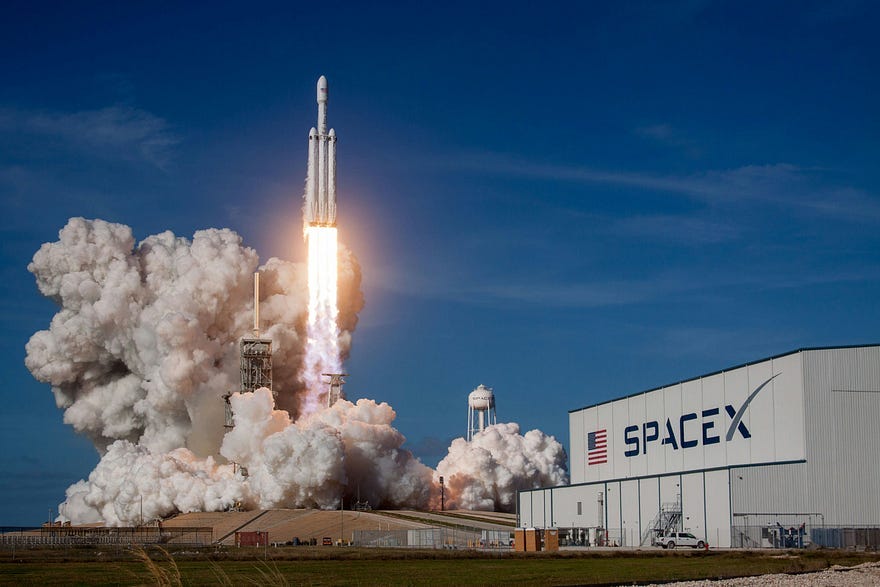
On the flip side, SpaceX is a cash machine. The company reportedly generated $8 billion in profits in 2025 alone on estimated revenue between $15-16 billion. And 80% of its income comes from a single source: launching its own Starlink satellites. SpaceX has become so efficient that it launches Falcon 9 rockets practically like commercial airlines, recovering and reusing them at an unprecedented rate in aerospace history.
So yeah, viewed cynically, we could summarize the situation pretty bluntly. SpaceX just bailed out the financial black hole that xAI had become. Some analysts haven’t minced words, calling this operation a rescue.
But that reading would be incomplete, really incomplete. Because what happened three days before this announcement completely changes the perspective. And that’s where the story becomes truly dizzying.
The Technology That Doesn’t Exist Yet (But Might)
This entire plan rests on technology that doesn’t exist yet. And that’s precisely where Musk’s strategy makes total sense, and where things get genuinely interesting.
