

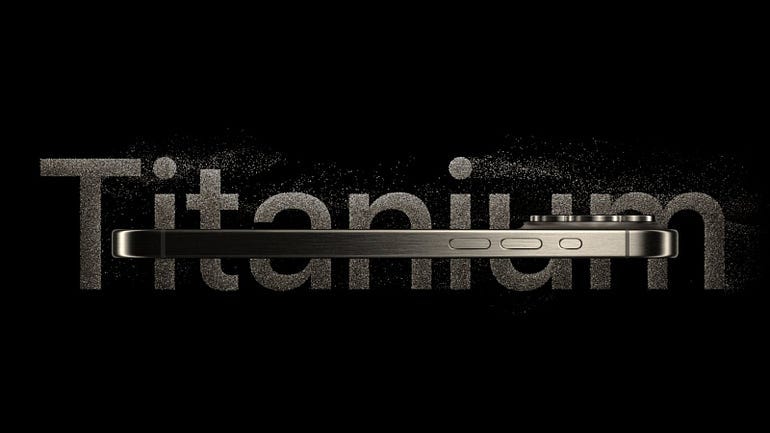
This ad annoyed me so much 2 years ago. What annoyed me about this ad from last year’s Apple?
Let me show you something by comparing this iPhone 15 Pro with something else you might remember.

“1000 songs in your pocket.” That was an ad.
It undeniably resonated with consumers because it hinted at a technological revolution, not just a technical one, with a simple, powerful promise that made the iPod desirable to anyone.
But this ad?
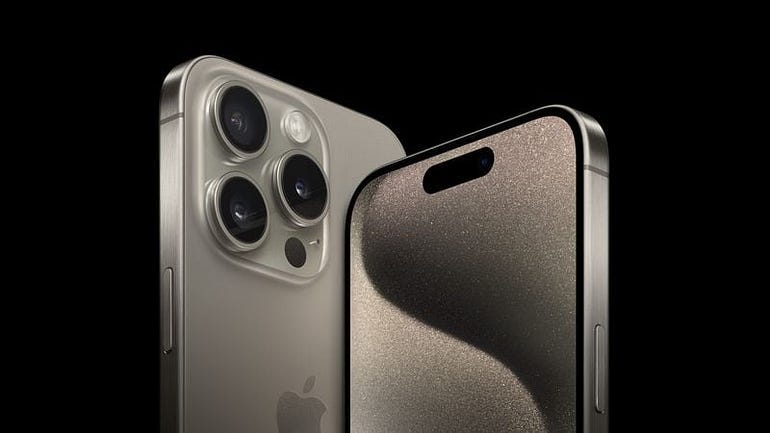
It said nothing. Someone glancing at it while waiting for the bus won’t feel anything. You probably won’t understand the intended sensation or phone benefits unless you’re an aerospace engineer.
All you’re thinking is, “It’s a titanium iPhone.”
By emphasizing titanium, Apple had shifted from ads focusing on the experience to those highlighting a material feature. And what else could they say? The iPhone 17 Pro has improvements, but it’s not dramatically different from other phones, such as the iPhone 15 Pro.
This is reflected in sales.
Consumers see that smartphones have reached maturity. Sales dropped by 8% between 2022 and 2023, and the market is expected to decline another 6% this year, hitting its lowest level in a decade. This is a significant problem for Apple, as the iPhone accounts for over half of its revenue.
The Strategy Behind Titanium
Titanium was a luxury code, a differentiation attempt in a saturated market, allowing Apple to continue gaining market share without reinventing its formula. But this strategy can’t last forever. Each time Apple rises above the rest, the market eventually catches up. When they’ve exhausted all the materials in the world, they’ll need a new plan.
That plan is already in motion. It’s hidden inside the iPhone.
There are still surprises in smartphones, such as the iPhone X, which changed how we navigate interfaces, or the more radical folding phones. But radical changes, like folding phones, come with risks, especially for a product central to daily life. You pick up your phone on average 200 times a day. If it’s a hassle because you impulsively bought a folding phone and hate it every time you unfold it, you’ll regret it. Your curiosity may push you to want change, but in the face of novelty, caution usually makes the final decision. So, you keep buying the same products.
Expectations for new smartphones are technical: battery life, camera quality, processor power, and weight. These don’t focus on usage changes, but on the reliability of existing features. Among these limited improvement areas, some defy physics. Improving batteries, for example, is a complex chemical challenge. The best solution found so far is improving processors for better energy efficiency, but also processor evolution.
The Post-iPhone Era
When the smartphone market exhausts improvement avenues, what will be left for the iPhone to continue developing? In engineering, if something works, you improve it. If you can’t improve it, you create a new product. The best way to create a new product without public rejection is to do it within a product that already sells.
