

Apple finally did it. After six years of watching every competitor ship foldable smartphones, iterate on them, fix them, and iterate again, Apple walked onto the stage at its “Surprise and Shine” event on September 9 and showed us the iPhone Duo: its first foldable iPhone, a book-format device with a 5.4-inch outer display and a 7.6-inch inner display, priced at $1,999. Pre-orders open on October 16. Deliveries start on October 23.
It also showed us the iPhone 18 Pro and iPhone 18 Pro Max.
Same design. Same titanium frame.
Same ergonomics.
A new chip, camera, and colors. You could place the 18 Pro next to last year’s 17 Pro, and the only way to tell them apart would be the cherry finish.
Two announcements. Two heavyweights. And one question I can’t shake: is Apple still leading, or is it polishing things other people invented years ago?
The iPhone Duo: Impressive Engineering, Familiar Ideas
I want to be fair to the Duo before I criticize it, because the engineering is genuinely significant.
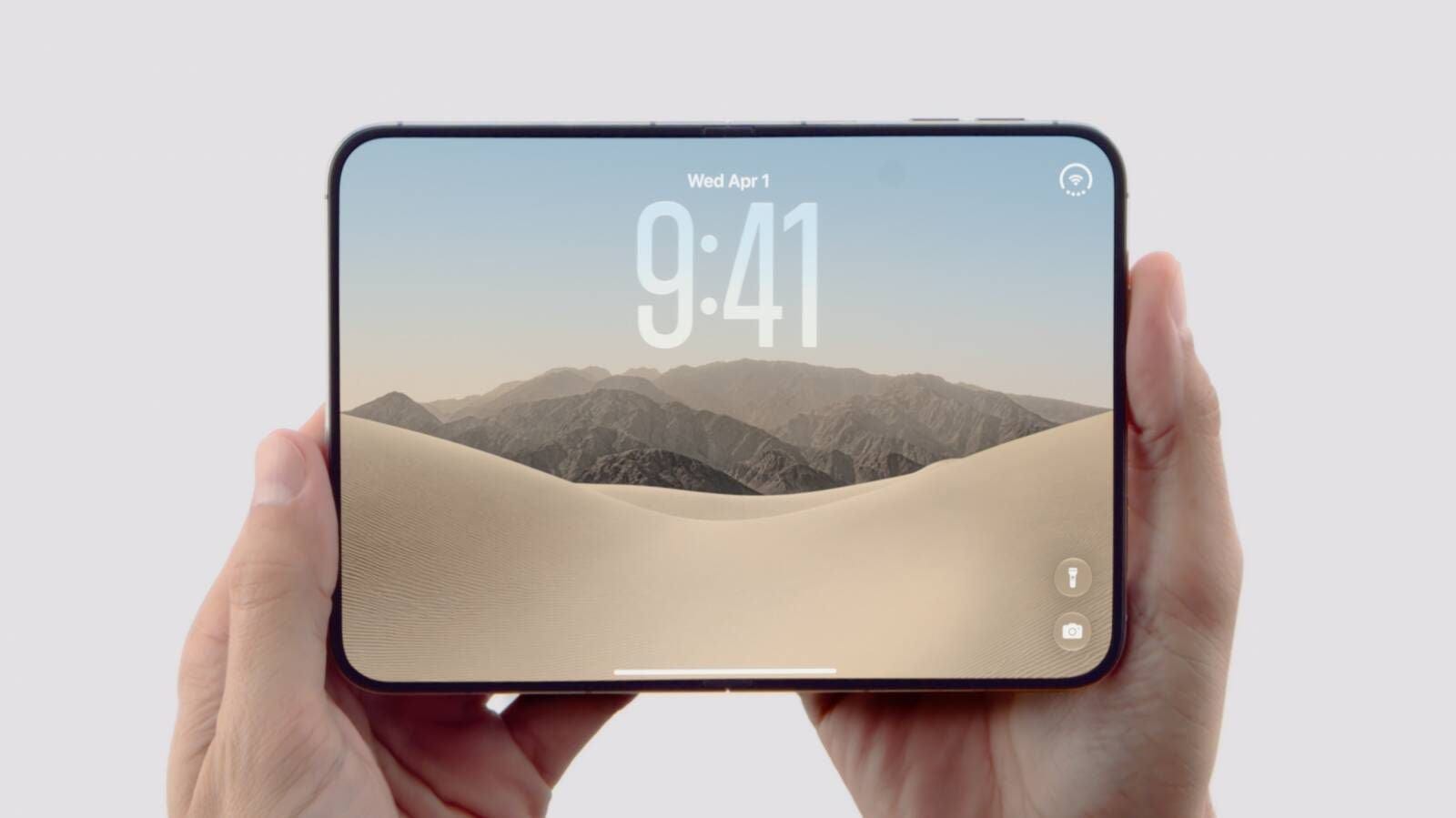
The hinge has clearly been Apple’s biggest technical challenge. The inner display rests on high-resistance glass with a nano-textured coating and an impact-absorbing layer beneath it. This crease should be less visible and, more importantly, less tactile under your fingertips. Apple invested years in making this fold feel as close to flat as physics will allow, and if the keynote demo is accurate, they’ve come closer than anyone else.
The A20 Pro chip is built on TSMC’s 2nm process. Apple claims 20% faster CPU performance and 40% faster GPU performance compared to the A19, with a Neural Engine that doubles its core count to 32 and increases memory bandwidth by 50%. The chip’s packaging has been redesigned to sit closer to the M-series architecture, and a vapor chamber manages heat dissipation in a chassis that has far less thermal headroom than a standard iPhone.
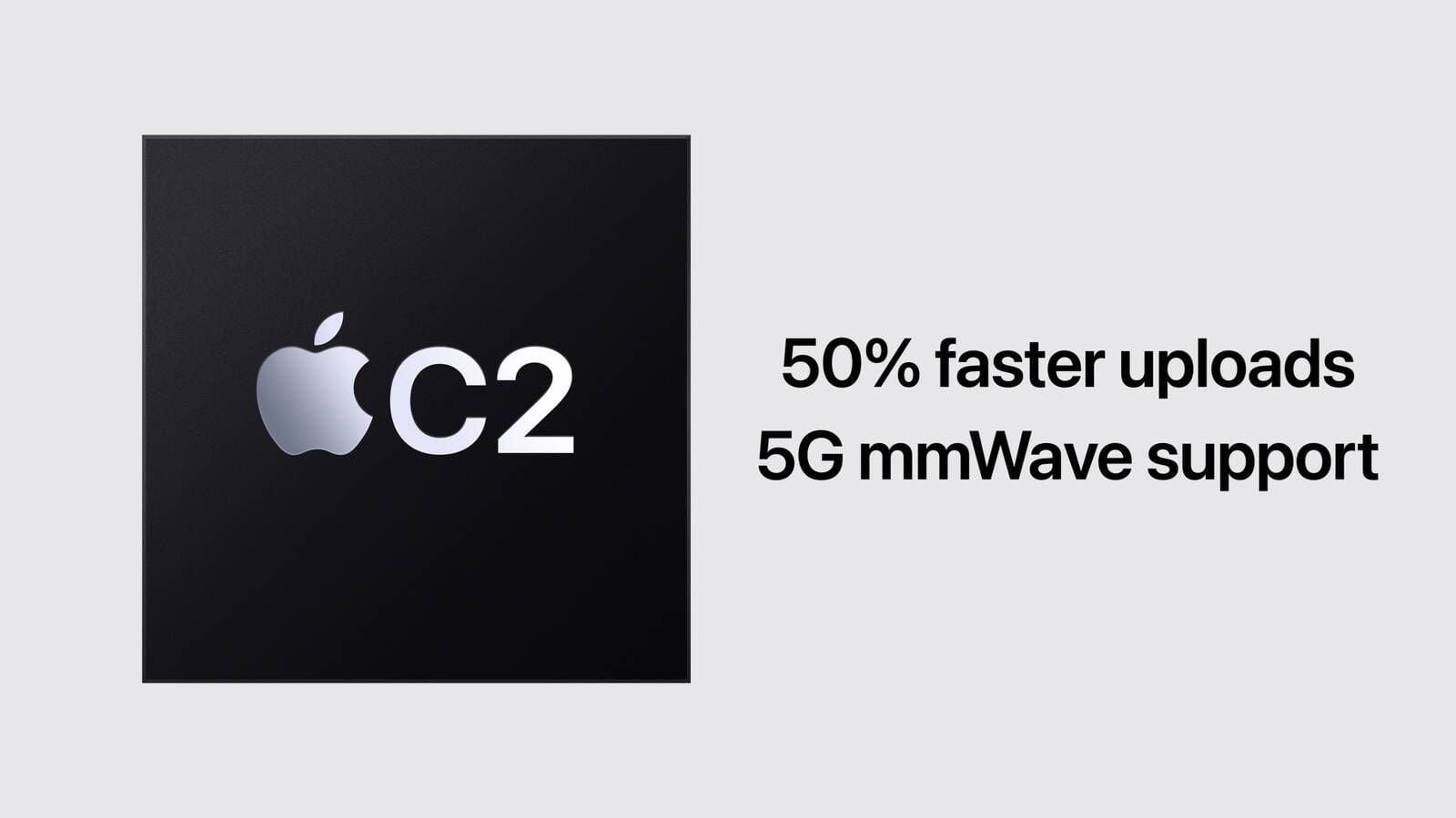
The C2 modem is 50% faster than the C1X, and the Duo is eSIM-only worldwide. No SIM tray at all. Apple used every millimeter freed by removing the tray to expand the battery, and the autonomy numbers they gave are respectable: 31 hours of video playback on the inner screen, 24 hours of mixed use, with fast charging included.
Both displays run ProMotion and Always-On at up to 3,000 nits. The transition from the outer to the inner screen is instant, preserving context. Ceramic Shield 2 protects the front, Ceramic Shield covers the back, and the device carries IP68 water resistance.
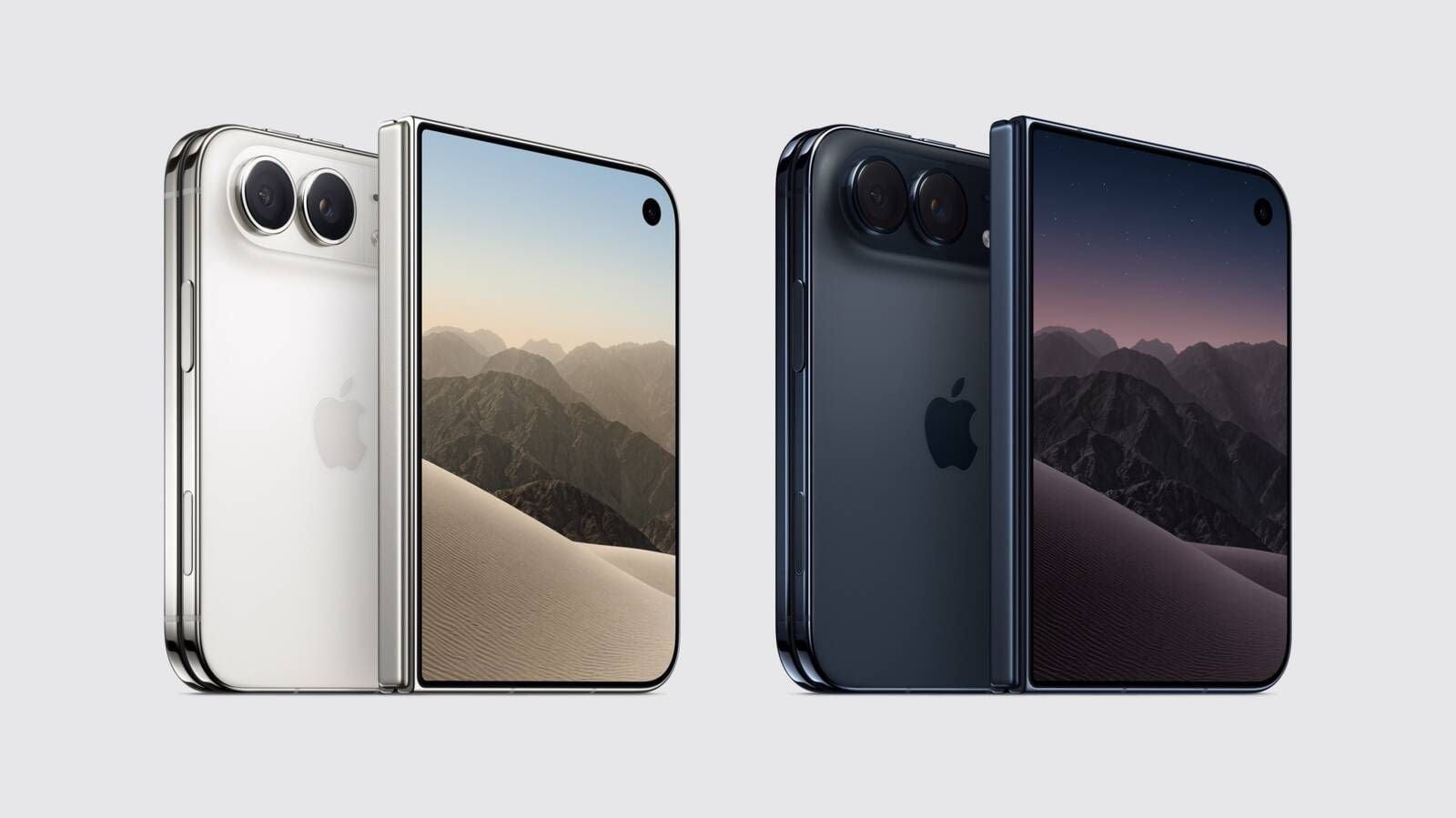
Two colors: Star White and Night Sky (a very dark blue that reads almost black).
All of this is well-executed. None of it is surprising. And that’s where my problem starts.

Two Cameras on a $2,000 Phone
The iPhone Duo has two rear cameras: a 48-megapixel main sensor and a 12-megapixel UltraWide. There’s a 2x optical-quality zoom crop from the main sensor, optical image stabilization, and 4K recording at 120fps. A FaceTime camera sits on the outer display, and a second one hides under the inner display for video calls while unfolded.

For a phone that starts at $1,999, that’s a problem.
Samsung’s Galaxy Z Fold 8 has three rear cameras. Xiaomi’s Mix Fold shipped with three rear cameras. Unlike other devices with a third camera serving as a telephoto lens for genuine 3x or 5x optical zoom, the Duo does not offer this feature. There’s a distinction between a 2x crop from the main sensor and a dedicated telephoto lens. You lose detail; you lose low-light performance, and the optical precision that makes zoom shots usable.
Two cameras don’t sound like a big deal until you think about what it means in practice: less versatility on a phone that costs the price of two mid-range smartphones. And it’s not the spec itself that bothers me. It’s what the spec reveals. Apple arrived six years later and still shipped a camera system that competitors had already surpassed in a thinner, lighter package.
The Software Question Nobody Can Answer Yet
Here’s the part where I have to hold my judgment, even though it’s hard.
A foldable phone is not just a screen that folds. It’s a system that has to manage two display sizes, multitasking, the transition between folded and unfolded states, and app compatibility across a form factor that most iOS developers have never built for. Samsung, Google, and Xiaomi have spent six years refining their foldable software. Apple is starting from essentially zero.
The keynote demo looked polished. Apps adapt to the active screen. A new side panel houses the controls. The dock relocates to the side. You can run two apps side by side, display a video in picture-in-picture while working on something else, or fold the phone halfway to create a laptop-like stance with the keyboard on the lower half. Tent mode turns the Duo into a bedside clock. These are all genuine productivity features.
Additionally, Samsung has included these features in its devices since 2020.
The actual test isn’t whether these features work in a controlled demo. It’s whether they work in the chaos of daily life: switching between messaging, maps, music, and a browser while walking.
Opening a game and having it seamlessly fill the inner display. Receiving a call while in split-screen mode. The unpredictable, messy, human usage that no keynote can simulate.
If Apple’s optimization holds up in the real world, the iPhone Duo could erase every hardware disadvantage I just listed. Software has always been Apple’s moat. One domain done right, and Apple buys back all the ground it lost in specs.
But I won’t know that until the phone is in my hands and I’ve lived with it. And neither will anyone else.
The iPhone 18 Pro: The Same Phone, But Better. Again.
Let me save you some time: the iPhone 18 Pro looks exactly like the iPhone 17 Pro. Same shape, same materials, same button layout, same design language Apple has used since the iPhone 14 Pro in 2022. The only visual change is the color lineup: silver returns, joined by black, light blue, and cherry.
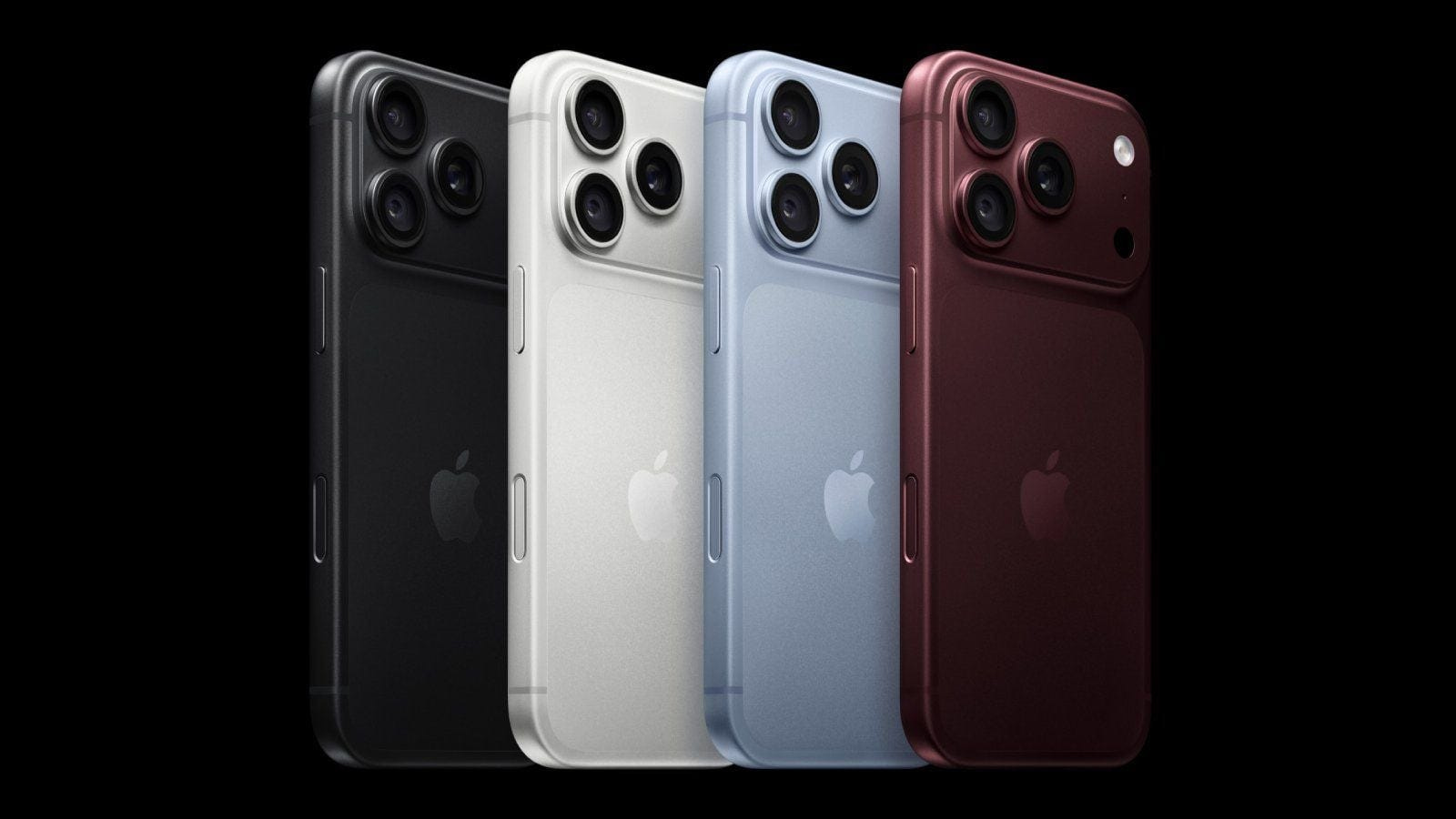
If there’s one word for this, it’s recycling.
Under the hood, things are more interesting. The A20 Pro brings the same performance gains I described for the Duo. Battery life has improved meaningfully: the iPhone 18 Pro matches the 17 Pro Max at 24 hours of mixed use, while the 18 Pro Max stretches to 45 hours of video playback and 30 hours of mixed use. A new vapor chamber handles heat better. Fast charging hits 50% in 15 minutes. Dynamic Island has been reduced in size and can now display three Live Activities simultaneously.
The real headline is the camera. The iPhone 18 Pro introduces a variable aperture on the main 48-megapixel sensor: six laser-cut composite blades that physically adjust the lens opening. This lets the camera produce more natural background blur, better low-light performance, and more control over depth of field in both photos and videos.
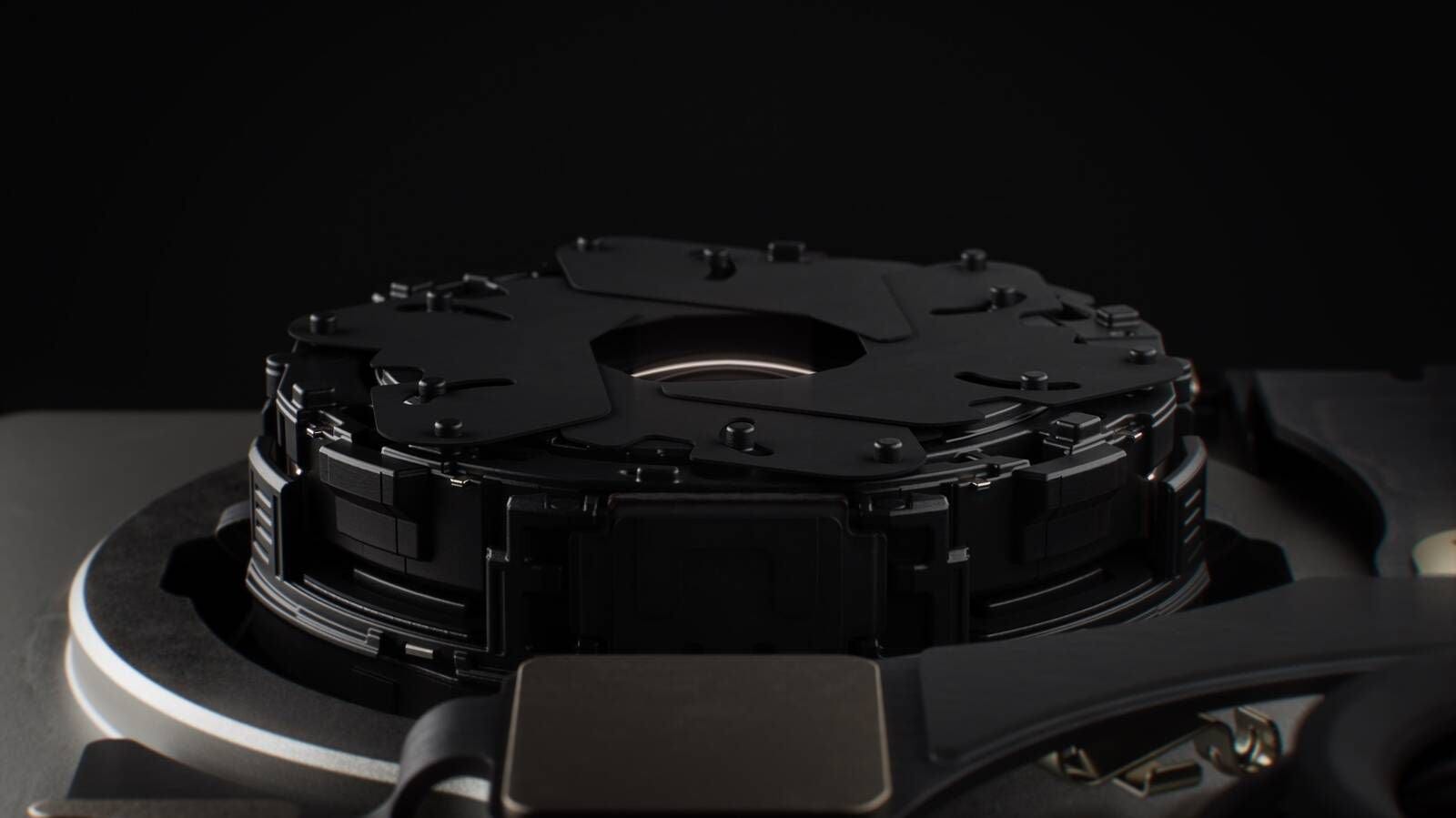
Variable aperture is a genuinely meaningful camera advancement. It’s the first time Apple has changed the physical optics of an iPhone camera in years. And with a new Pro mode that gives manual control over the exposure triangle (aperture, shutter speed, ISO), the 18 Pro moves closer to being a real photography tool rather than a computational photography machine.
But I need to be honest about the context. Variable aperture lenses have existed on Android phones since Huawei introduced them on the Mate series. Samsung had one on the Galaxy S9 in 2018. Apple is arriving to this party the same way it arrived to foldables: later than everyone, with a more polished implementation, but later.
The Price Problem
The iPhone 18 Pro starts at €1,479 for 256GB. The Pro Max starts at €1,629. Both represent a significant increase over last year’s models.
The iPhone Duo starts at €2,339 for 256GB. €2,589 for 512GB. €3,089 for 1TB. And €3,839 for 2TB.
At these prices, the margin for error disappears entirely. When you charge €2,339 for a foldable phone, you cannot ship a two-camera system when competitors offer three. When you charge €1,479 for a Pro model, you cannot ship a design that is visually identical to the phone it replaces. Because it costs more, customers expect to see, feel, and experience high quality as soon as they open it.
I’m not sure that’s the case here. The iPhone 18 Pro is a better 17 Pro. The Duo is a well-engineered first attempt at a format others have been perfecting for six years. Both are excellent phones. All feel like a $200 to $300 price increase over their predecessors.
Where This Leaves Us
The hardware verdict on the iPhone Duo is almost written. Apple has caught up to the competition on the physical product, with some concessions (two cameras, no Face ID, limited color options) and some advantages (crease reduction, chip efficiency, ecosystem integration).
The software verdict is completely unwritten. If iOS 27 delivers a foldable experience that is measurably smoother, more intuitive, and more reliable than what Samsung offers after six years of iteration, Apple wins the category despite arriving last. One domain done right erases everything else.
But if the software is merely “fine,” if it works but doesn’t surprise, if it matches Samsung but doesn’t exceed it, then Apple will have spent six years in the lab and shipped a phone that is, at best, equivalent to what you could already buy for less.
The keynote was polished, and the specs are solid. The prices are aggressive. What I need now is the phone in my hands and three weeks of daily life with it. That’s the only review that matters, and it’s the one no keynote can give you.
Thanks for reading. Let me know your thoughts in the comments. Don’t forget to follow us and subscribe for more analysis.